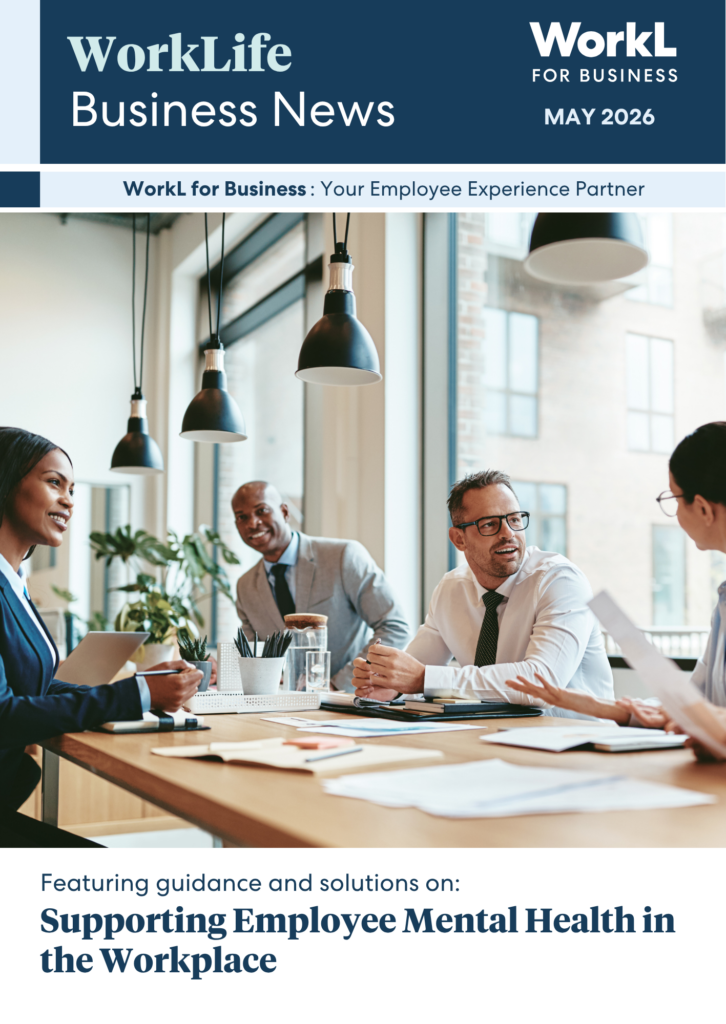
This article was originally featured in the May 2026 edition of WorkLife Business News which you can view here!
Written by Alexa Knight, Director of Policy and Influencing at the Mental Health Foundation.
We’re hot on the heels of another successful Mental Health Awareness Week where the focus was on taking action to support our mental health and that of others that we know; be they friends, family, colleagues and those in our community.
Awareness weeks mobilise us to come together for a shared cause or collective challenge that we face, with the goal of striving to make a change for the better. But what happens now?
How we do keep the momentum of what has been a meaningful week, full of conversation and openness about our mental health and wellbeing – perhaps for the first time, particularly in the workplace which can still be perceived as an environment where we retain a façade. Possibly through fear or reticence to reveal how we REALLY feel and what we need to support us to feel our best and to do our best.
As we’ve learnt from the theme of Action this year, small actions can result in BIG change. Implementing policies and initiatives that support good communication and foster honesty and trust are the building blocks of a mentally-healthy workplace.

Our official partner for Mental Health Awareness Week 2026, Simplyhealth, revealed earlier this year that 8 million days had been lost by this year’s Mental Health Awareness Week, due to mental ill-health.
We know that creating conditions for people to thrive at work is good for everyone. Tackling mental health problems early with a preventative approach is one of the best ways to support employees to be healthy and happy in the workplace and reduce periods of absence.
By cultivating healthy cultures and putting in place effective support, employers can help their staff stay healthy and grow both professionally and personally.
There are many actions workplaces can take to encourage and support their employees and colleagues and empower them to protect their mental health and wellbeing. Here’s the Mental Health Foundation’s Employer Checklist for creating mentally-healthy workplaces:
Value mental health and wellbeing as core assets of your organisation:
Support the development of compassionate and effective line management relationships:
Address discrimination:
Value the diversity and transferable skills that lived experience of mental health problems bring:
These cover the basics of what employers and leaders can do to support their staff and colleagues. Hopefully you will have been inspired to take action following this year’s campaign. If you would like to know more visit the workplace section of our website Workplace mental health | Mental Health Foundation
If you missed the opportunity this time round to sign up as a Mental Health Awareness Week Workplace Supporter, and would like more information contact corporate@mentalhealth.org.uk
This article was originally featured in the May 2026 edition of WorkLife Business News which you can view here!