November 3, 2026
What Australian employees want in 2027, and who’s being left behind
Employee engagement in Australia has climbed to 73%, but the recovery isn’t reaching everyone. Our 2026 data shows who’s being left behind, and what…
June 2025
This article was originally featured in the June 2025 edition of WorkLife Business News!
Written By Jim Mayer, Expedition Team Training Manager, HX Expeditions.
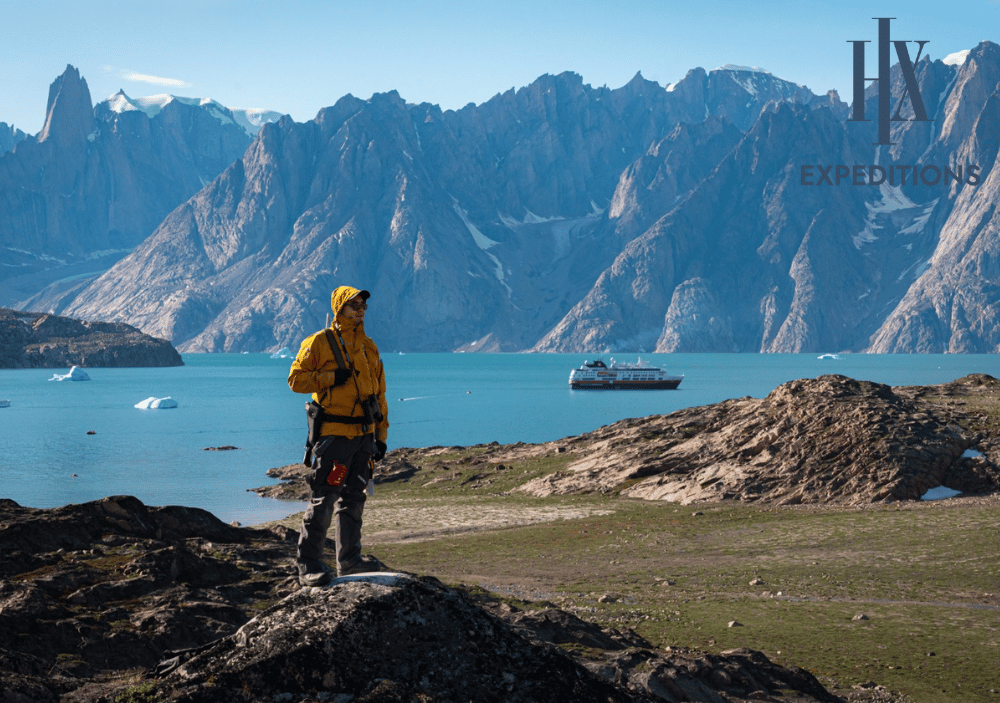
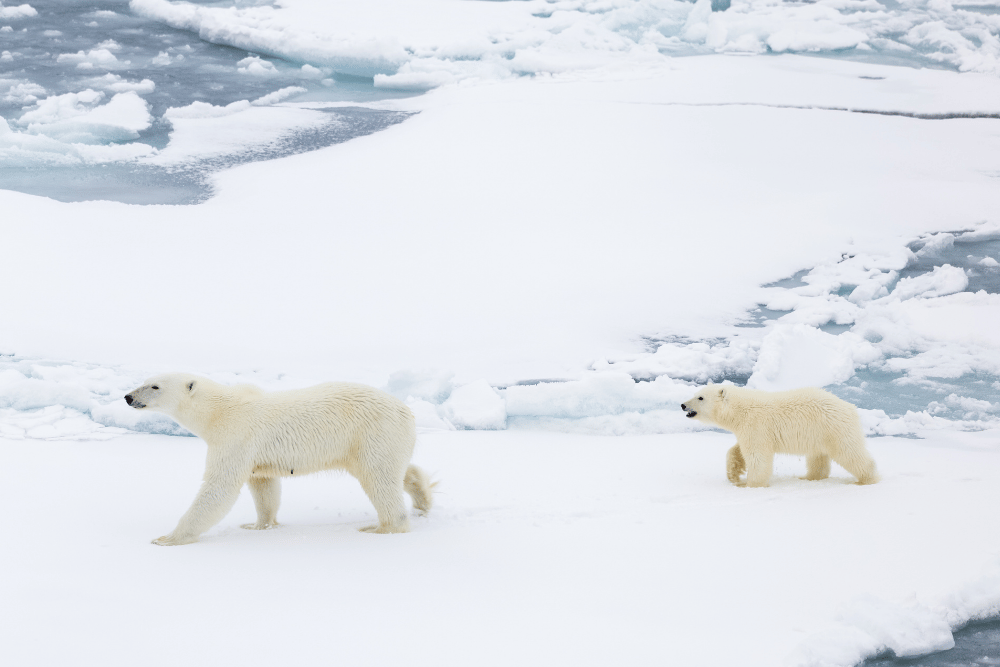
When most people think of Learning and Development, their minds drift to office-based programmes: leadership seminars, digital modules, or peer mentorship initiatives. But at HX Expeditions, L&D looks vastly different — because our “classrooms” might be an ice-strewn fjord in Greenland, a sandy beach in the Galapagos islands, or an ice-blue glacier in Antarctica. And our students? A group of world-class Expedition Leaders and Guides responsible for leading guests safely through environments where the top predator isn’t theoretical — they could be tiger sharks, walruses or a hungry polar bear!
In 2023, we at HX faced a challenge that many expedition cruise companies are now grappling with: rapid industry growth was spreading our most experienced talent thin, and newer recruits, while often superb communicators and naturalists, lacked experience in the extreme environments where we operate. Nowhere was this more apparent than in the Arctic, where our guides must not only deliver rich guest experiences — they must also detect, avoid, and, in rare cases, deter or defend against polar bears.
Our solution was not to outsource safety to freelancers or rely on patchwork solutions. Instead, we asked a bold question: Can we invest in our own people and train them to be world leaders in safety and excellence in polar bear environments? The answer became the foundation for our award-winning training programme ‘Guiding in Polar Bear Environments’, now recognised with the 2024 Princess Royal Training Award for Excellence in Workforce Development.
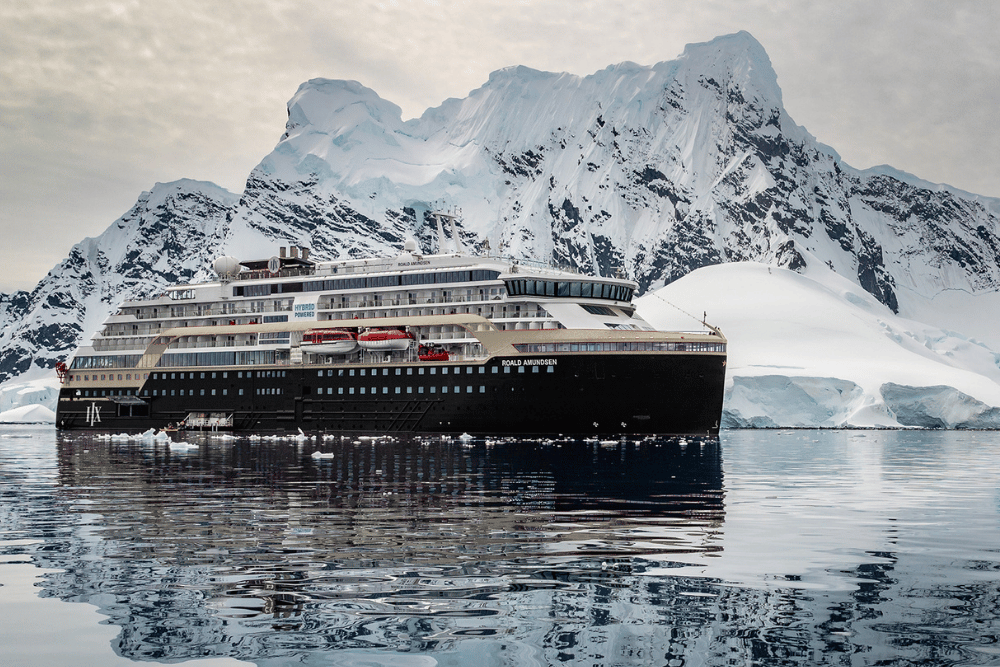
The traditional model in expedition cruising relies heavily on freelance guides. While this brings flexibility, it also comes at a cost: freelancers require additional cabin space, they don’t always integrate fully with the team culture, and critically, they aren’t always available when needed. More importantly, we wanted to give people careers — not just jobs.
So, we invested. Over 12 two-day training events in Norway across March to May 2023, (and again in 2024 and 2025) we equipped our guides with the tools and confidence to safely lead in polar bear territory. The goal was to build capability, ensure consistency, and embed a safety-first culture that would ripple across our ships.
We began by identifying key learning outcomes:
The course combined two major threads: firearms handling (using The UK National Rifle Association safety protocols and achieving a required standard of accuracy), and outdoor scenario-based learning, including full role-play simulations of polar bear encounters.
Here, innovation was vital. We didn’t have access to robot bears — so we used instructors in white vests, communicating by radio, to simulate real-life encounters. For deterrent practice, we armed our guides with modified foam dart blasters, enabling us to track and assess responses without risk.
Delivered progressively — instructor-led at first, then learner-led — scenarios were backed by written materials and video debriefs of real past events. This built not only technical proficiency but also the emotional readiness essential in high-pressure situations.

In building the course, inclusivity was a priority – which is key for all HX’s Learning and Development led by our People & Culture and Expedition Training team. We embedded modules on removing barriers to learning, and our Train-the-Trainer approach ensured instructors could support individuals with varying learning styles or additional needs. Diversity was actively welcomed in each cohort, and in 2023, 25% of UK-based learners were invited to return for our advanced course in 2024.
Our trainers themselves embody progression. All were once expedition guides. Today, they deliver the course full-time, showcasing how our commitment to growth and internal promotion pays off.
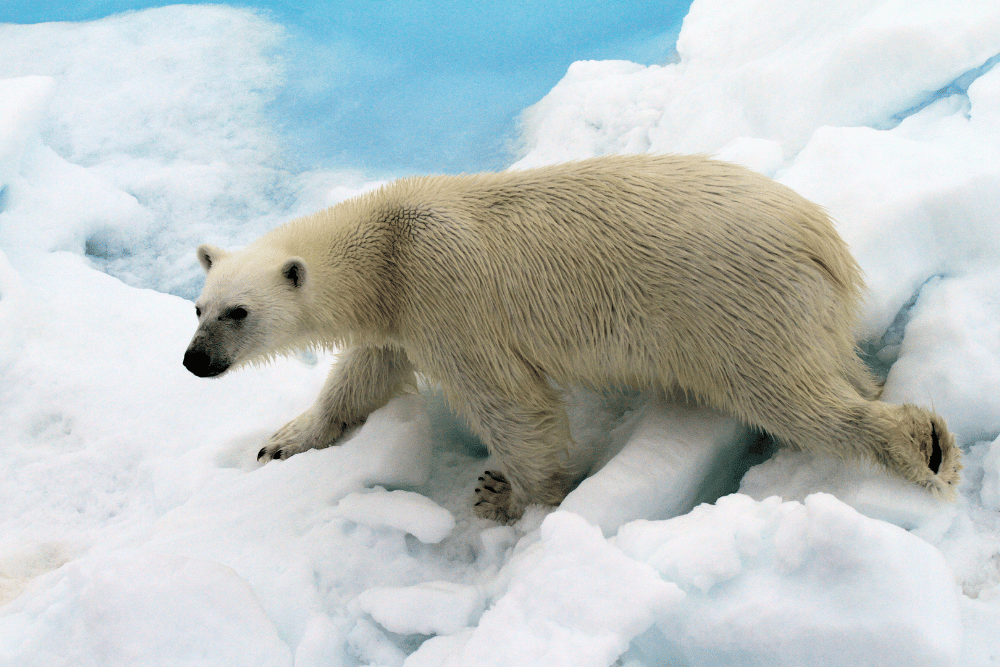
The success of this program is not measured in classroom scores but in real-world outcomes. In the 2023 season, HX ships spent 406 cruise nights in polar bear environments, up 17% from 2022.
Despite this, we had:
Participant surveys showed 90% believed the course met its objectives, and qualitative feedback led to refinements for 2024 and 2025. Third-party observers, including industry leaders like AECO and the Polar Tour Guides Association, praised the course as “one of the best and most innovative” in the industry.
The ROI is clear: the £2,500 cost per person pales in comparison to the potential human, animal, reputational and legal costs of a failed polar bear encounter. As our COO Iain McNeill concludes: “HX will continue to lead the industry by investing in the competence of our teams and the safety of our guests.”

HX, the world’s leading expedition cruise company, has been guiding curious travellers on mindful adventures since 1896.
With headquarters in London and a global team of just under 1,000 professionals, HX operates a fleet of five modern ships, offering voyages to over 250 destinations across more than 30 countries.
Renowned for its pole-to-pole expeditions, HX combines sustainability, science, and education to create transformative travel experiences. Pioneering in sustainability, HX was the first cruise company to eliminate heavy fuel oils in 2008, ban single-use unnecessary plastics in its operations in 2018, and launch hybrid cruise ships in 2019.
The company also supports scientific research, donating over 1,900 free cruise nights to onboard scientists, and runs the HX Foundation, providing grants to community projects focused on education and marine conservation.
This article was originally featured in the June 2025 edition of WorkLife Business News which you can view here!
Subscribe to receive future editions of WorkLife Business News here!
Explore other articles featured in previous editions here!
November 3, 2026
Employee engagement in Australia has climbed to 73%, but the recovery isn’t reaching everyone. Our 2026 data shows who’s being left behind, and what…
October 26, 2026
The human cost of growth and why India’s workplace wellbeing is at a crossroads As AI adoption accelerates and global standards reshape employee expectations,…
October 15, 2026
In the latest edition of WorkLife Business News, we explore how leading organisations leverage purposeful rewards, manager-led recognition, and active listening to drive workplace…