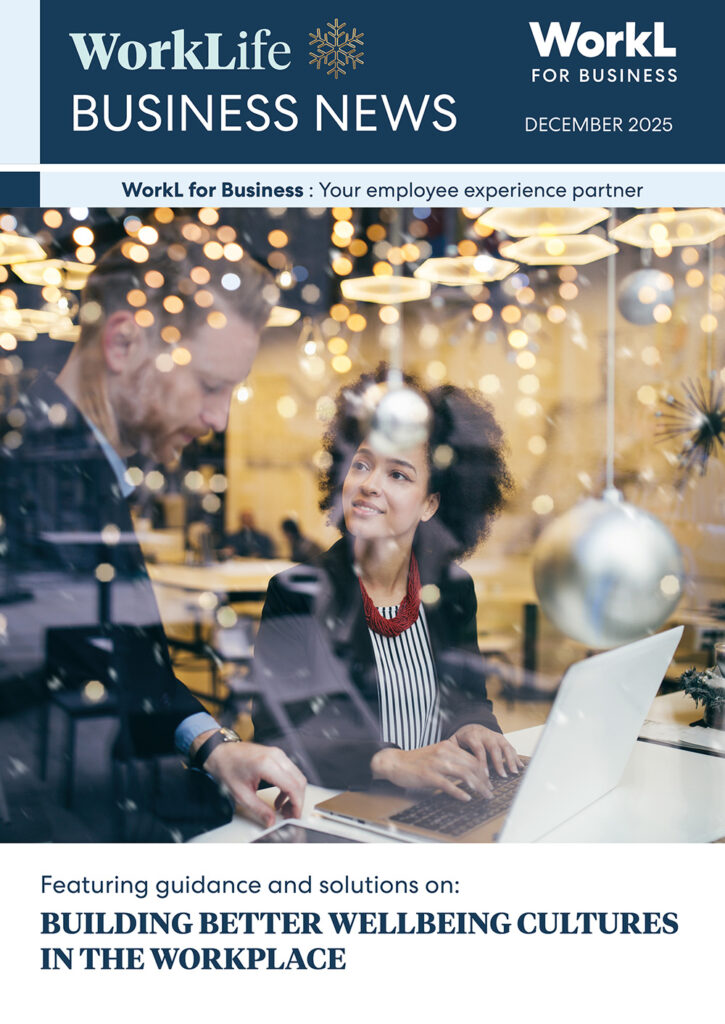
This article was originally featured in the December 2025 edition of WorkLife Business News which you can view here!
Written by Sarah Morgan, People Experience Consultant at Zurich UK.
A recent CIPD report highlighted that most organisations are taking meaningful steps to support employee mental health at work. This is more important than ever, as mental health-related absences continue to rise. While the direct costs of these absences are significant, the ripple effects on productivity and customer service can impact the overall success of any business. But navigating the complexities of mental health at work can feel overwhelming. Where should employers begin?
Regardless of company size, it’s crucial to have a clear strategy for managing both mental health absences and the wider wellbeing of your workforce. Rather than jumping straight to solutions, start by understanding your employees’ needs. Reliable data is key, and can help you take stock of where you are now and where to focus next.
For larger organisations, analysing data by business area and demographics enables a targeted approach that can deliver better outcomes. A one-size-fits-all strategy can help, but tailored solutions are often more effective when different teams face different challenges.

At Zurich, we use a sickness data dashboard and, more recently, we’ve added a wellbeing data dashboard. This gives us a broader view on things like, tracking holiday usage, overtime, and external supplier data, such as private healthcare. We regularly review this information throughout the year, helping us spot trends and take timely action.
However, data isn’t the whole story. Employers should also gather both formal and informal feedback from employees and stay alert to internal and external factors that can affect mental health.
Once you’ve listened and learned, you’re ready to build out a mental health strategy. At Zurich, ours stands on three pillars: resources, training and culture.
According to the CIPD, Employee Assistance Programmes (EAPs) are among the top three wellbeing benefits valued by employees. Zurich partners with Help@hand to make this vital support available to everyone in the business, enabling employees access to unlimited mental health therapy for mild to moderate conditions, guided by clinical best practice.
For those facing more severe challenges, our private healthcare provider, WPA, offers further specialist care. We’ve also further enhanced our support for mental health by providing employees access to tools through Wellhub. Alongside gym memberships and fitness classes, Wellhub offers access to a range of mindfulness and wellbeing apps. These resources not only help employees maintain good mental health day-to-day but also provide valuable support during more challenging times.
Support at Zurich goes beyond external resources. We’ve trained over 50 internal Mental Health First Aiders across the business. These colleagues are equipped to listen, offer support and guide others to appropriate help when it’s needed most. Their presence reinforces our commitment to creating a workplace where mental health is openly supported and stigma is reduced. By offering different levels of support, you can ensure everyone can find the right option for their situation.
Great resources are only part of the picture though. Clear communication is essential, so that employees understand what’s available and how to access help. Last year, we launched our “Health and Wellbeing journeys” for several conditions, including mental health. These guides clearly outline the support available, making it easier for employees to take the next step.
Training is central to our approach to mental health at Zurich. Every new line manager completes dedicated training on sickness absence and wellbeing conversations, ensuring they’re ready to support their teams from day one. Throughout the year, managers are offered sessions to help them navigate complex situations with empathy and confidence. Since managers are often the first point of contact for employees seeking support, equipping them with the right skills is essential.
Employee workshops focused on developing healthy habits, including lifestyle management, can empower employees with practical strategies to support their mental wellbeing. These types of sessions can help employees build sustainable routines both inside and outside of work.
Specific training works best when it’s tailored to the needs of each part of the business. That’s why we use our data insights to identify areas of focus and refine our strategy, so our support remains relevant and effective for everyone.
Not every organisation has the resources for costly mental wellbeing initiatives, but even modest steps can make a big difference, particularly when it comes to creating the right culture for mental health.
In the last 18 months, Zurich has focused on the power of sharing employee stories through a variety of ways but the most successful has been through virtual “Time to Talks”. In these confidential, unrecorded sessions, employees from all levels, including senior leaders, have shared their personal mental health journeys. Topics range from post-natal depression to stress and menopause.
Building on the success of the “Time to Talks”, recently we established “ManTalk”, which provides a dedicated space for men to open up about their mental health. The feedback has been immensely positive, encouraging a culture of openness and authenticity but also a feeling of relatability when it comes to mental health.
Where possible, Zurich focuses on prevention and early intervention, and when it comes to mental health this helps reduce the risk of burnout and addresses mental health challenges before they escalate. This forward-thinking approach not only enhances individual wellbeing but also contributes to a more resilient workforce.
The conversation around mental health at work has come a long way in the past decade—and it will only continue to evolve. Employees increasingly expect meaningful support for their wellbeing, and the role of employers in creating a safe and caring environment is more important than ever. While not every organisation can invest heavily in resources or training, every employer can take steps to foster a culture of empathy, openness, and support when it comes to mental health.
CIPD Report – Health and wellbeing at work 2025
This article was originally featured in the December 2025 edition of WorkLife Business News which you can view here!
Subscribe to receive future editions of WorkLife Business News!