This article was originally featured in the February 2026 edition of WorkLife Business News which you can view here!
Written by: Deborah Garlick, CEO of Menopause in the Workplace by Henpicked.
Menopause is not just a personal life stage. It is a workplace reality that affects millions of people and, increasingly, a defining issue for employers who care about inclusion, retention and performance. In the UK alone, around a third of women are perimenopausal or menopausal, many in senior or highly skilled roles. The menopause transition can bring a wide range of physical, psychological and cognitive symptoms that can get in the way of people being at their best at work.
The good news is that progress is being made. Menopause is being talked about more openly than ever before and more employers are taking action. Yet the pace of change does not match the scale of need. Too many employees continue to struggle in silence, unsupported and unsure whether their workplace will understand. Research from The Fawcett Society shows that one in ten women has left work because of menopausal symptoms, while many more have considered doing so. That represents a significant loss of talent, experience and confidence — not just for individual organisations, but for the wider economy and society, too.
A sense of belonging at work is built when people feel respected, included and safe to be themselves. It’s about knowing that your employer recognises the realities of your life and will support you when health, caring responsibilities or major life transitions intersect with work.
For those experiencing menopause, a sense of belonging can become fragile. Symptoms such as disrupted sleep, anxiety, brain fog or heavy bleeding are often invisible while stigma or embarrassment can make it hard to speak up. Without understanding and support, employees may withdraw, lose confidence or feel they no longer fit in.
When workplaces actively support the menopause transition, that dynamic changes. Open conversations replace silence. Managers are equipped with the confidence and skills to respond appropriately. Practical adjustments, such as flexible working, temperature control, access to rest spaces or workload conversations, become normal rather than exceptional. Crucially, people feel believed and valued, not judged or diminished. That is what belonging looks like in practice.
Awareness alone is not enough. Employees quickly spot the difference between organisations that talk about menopause and those that embed support into everyday working life.
This is where independent assessment matters. The Menopause Friendly Accreditation sets a clear, credible benchmark for what good looks like, examining culture, policies, training, engagement and the working environment. It moves organisations beyond intention to consistent, measurable action.
In the UK alone, Menopause Friendly is now over 200 employers achieving independent accreditation, reflecting a growing commitment to creating workplaces where people experiencing menopause are supported to stay, thrive and progress. These organisations span sectors and sizes, demonstrating that meaningful menopause support is achievable wherever there is leadership and focus.
Menopause support in the workplace is no longer just a matter of good practice or progressive culture — it is now firmly on the UK legislative agenda. With the passing of the Employment Rights Act 2025, menopause has been formally recognised as an issue employers must take seriously, marking a significant shift in expectations of what a fair and inclusive workplace looks like.
From spring 2026, employers can choose to publish their Menopause Action Plan on the Government portal, demonstrating transparency, leadership and a clear commitment to supporting employees through the menopause transition. This voluntary phase gives organisations the opportunity to get ahead, learn what works for their workforce and embed meaningful support without having to rush to comply.
From spring 2027, this moves from choice to requirement. Employers with more than 250 employees will be legally required to publish their Menopause Action Plan, bringing menopause firmly into the same territory as other established workplace responsibilities. This is a clear signal that menopause support is no longer peripheral. It is becoming a core part of how good employers create inclusive, supportive and high-performing workplaces.
Legislation alone will not create belonging. It sets a baseline and a shared expectation that menopause is a legitimate workplace priority, employees deserve support and neither silence nor inaction are acceptable. The organisations already taking this seriously are not waiting to be told what to do; they are shaping what good looks like.
When employees feel they belong, they are more likely to stay, contribute and thrive. This is particularly important during their menopause transition, when confidence, wellbeing and identity at work can be under pressure.
The cost to employers of not acting is significant. Losing experienced employees at the height of their careers affects productivity, leadership pipelines and organisational memory. It also has wider consequences, reducing participation in the workforce at a time when skills, experience and stability are critical to economic growth.
Conversely, organisations that provide meaningful menopause support see stronger engagement, reduced absence and improved retention. They build a culture of trust and psychological safety that benefits everyone — not just those experiencing menopause. That ripple effect strengthens teams, organisations and, ultimately, the whole of society.
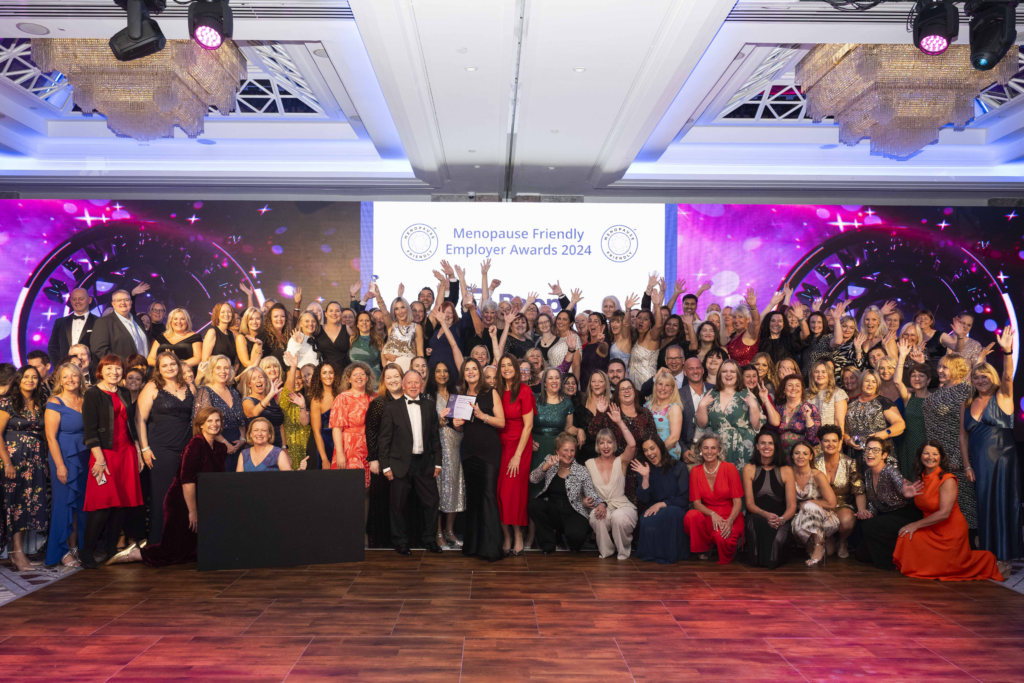
Cultural change deserves recognition. The annual Menopause and Menstruation Friendly Employer Awards celebrate employers and individuals who are leading the way — challenging stigma, normalising conversation and making practical changes that improve everyday working lives.
These awards shine a light on what is possible when organisations listen to their people and act with intent. They celebrate good lived experiences as much as policy, highlighting the difference support makes to confidence, connection and belonging at work.
Menopause workplace support is ultimately about fairness, dignity and respect. It is about recognising that people do not leave their life experiences at the door when they come to work and inclusive workplaces are built by responding to reality, not ignoring it.
With more and more employers achieving Menopause Friendly Accreditation and menopause support embedded in law, the direction of travel is clear. Supporting employees through menopause strengthens belonging, helps organisations thrive and contributes to a more inclusive, productive economy.
When people feel supported, they stay. When they stay, organisations perform better. And when workplaces reflect the needs of real people, society is stronger for it.
This article was originally featured in the February 2026 edition of WorkLife Business News which you can view here!