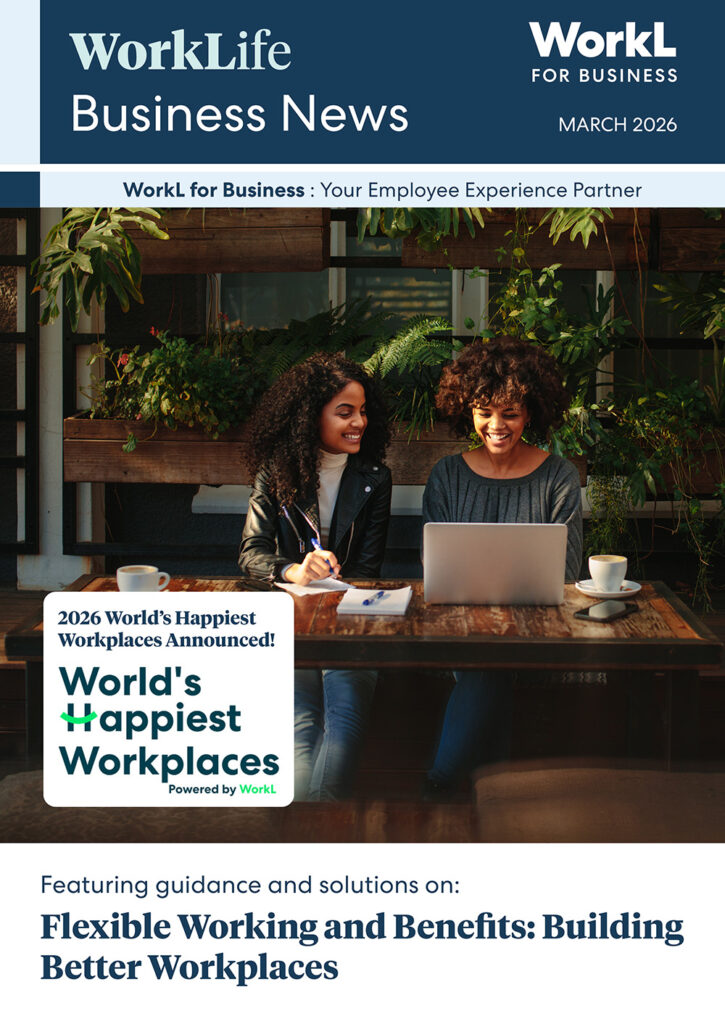
This article was originally featured in the March 2026 edition of WorkLife Business News: Flexible working and benefits which you can view here!
Written by Zoe Ashdown, Head of Culture and People Engagement at AXA UK.
In recent years, there has been a sharper focus on the importance of workplace wellbeing. More than ever, companies are recognising that supporting employees’ mental, emotional and physical health is not just a moral obligation, it’s essential for business success.
The rise of hybrid working models, accelerated by the COVID-19 pandemic, flexible leave policies and wellness initiatives reflects a growing understanding that a happy, healthy workforce is more engaged, productive and innovative. This aligns with insights from the Keep Britain Working Review, which we are supporting as a Vanguard Employer, as it emphasises the critical role of healthy work environments in sustaining employment and economic growth.
According to CIPD’s most recent research on working practices, 80% of employees agreed that work flexibility has had a positive impact on their quality of life, while one in three believes that it has benefitted their career. The same research also found that around 1.1 million workers left a job in 2024 due to lack of flexibility.

At AXA UK, we want to be a destination workplace, a dynamic, inclusive environment where colleagues feel valued, inspired and supported to reach their full potential. Central to this vision is our commitment to wellbeing, recognising that supporting our colleagues to balance their work and personal lives leads to a more resilient workforce. Our flexible working policy responds to both colleague and customer needs. This ensures everyone can enjoy the benefits of flexibility while continuing to deliver the highest quality of service.
I’ve seen firsthand how embracing flexible working policies can not only increase productivity levels and wellbeing, but it can reshape the company culture for the better.
Take hybrid working, for example, which is no longer an exception, but more often the norm. Offering colleagues the option to split their time between home and office means they can better balance their personal lives with their professional commitments. This flexibility fosters a culture of trust and autonomy, empowering people to perform at their best.
It’s also about when and how we take time off, which is why we’ve introduced flexible bank holidays. This allows people to swap the traditional days off for dates that are more valuable to them. Whether it’s a religious holiday, a special family event or simply a day to rest, this approach recognises that everyone’s needs are unique and demonstrates that making all our colleagues feel like they belong is essential to us.
In addition to flexible bank holidays, it’s imperative that we understand our people have a life outside of work. Helping them during life’s most challenging moments is essential and sends a powerful message: we see you, we support you and your wellbeing matters to us. This is why AXA launched the ‘We Care’ programme globally which includes policies designed to support caregivers, victims of domestic and sexual violence, parents and all colleagues’ healthcare needs through our Healthy You initiative.
To ensure our policies truly meet our colleagues and our customers’ needs we conduct regular surveys to understand their experiences and reevaluate priorities.
Employee networks also play a vital role in fostering an inclusive workplace and supporting flexible working arrangements by ensuring diverse needs and perspectives are represented and addressed.
Our Carers@AXA employee network was established after our diversity data showed that nearly half of our people have caring responsibilities and over a quarter said they care for an elderly or disabled relative.
We also have the Balance employee network which supports working families both at work and outside of it. The network creates a safe space for people to come together and discuss wellbeing, parental leave, flexible working and balancing the professional with the personal.
Recent AXA Health research reveals that those with caring responsibilities lose an average of one day per month coordinating the healthcare of their loved ones. The same study found that half of UK workers have been forced to dip into their annual leave just to see a doctor, with many missing out on treatment altogether because they can’t afford the time off. These findings highlight the importance of offering employees flexible working arrangements so they can manage their caring duties and healthcare more effectively without feeling overwhelmed or sacrificing their time.
At AXA UK, we’re creating an environment where colleagues don’t have to choose between their careers and their families or caregiving responsibilities. This is why we offer a flexible benefits package which includes additional paid leave to our carers, as well as 26 weeks paid parental leave with a phased return to work.
Implementing these policies isn’t just about ticking boxes, it’s about nurturing a culture that is built with empathy, trust and flexibility as core principles. When organisations genuinely adopt these practices, they don’t just retain talent, they attract the kind of people who want to be part of a forward-thinking, caring workplace.
The industry-wide move toward flexible, compassionate policies signals a profound shift in how we define workplace success. The future of work is flexible and embracing this change is not only the right thing to do, but it’s also crucial for organisations aiming to succeed in a rapidly evolving business landscape.
This article was originally featured in the March 2026 edition of WorkLife Business News which you can view here!